Importing luggage and bags from China can be highly profitable, but it also requires careful planning and supplier evaluation. With the right approach, international buyers can source high-quality products at competitive prices. Without it, there is a risk of quality issues, shipment delays, or non-compliance with regulations. This guide outlines the key factors that importers should consider before placing bulk orders.
Factory Verification and Capabilities Understanding who you are working with is the first step. In China, luggage suppliers may be either trading companies or manufacturers. Knowing whether your supplier owns its factory is important because it impacts quality control, production timelines, and customization capabilities. When assessing a supplier, check:
- Certifications: ISO, BSCI, SEDEX, or SGS certification is a good indicator that the factory follows international standards.
- Experience with exports: Suppliers who have shipped to your target market before are more likely to understand regulatory requirements and logistical challenges.
- OEM/ODM support: Many importers look for suppliers who can provide private label products, logo printing, or color and design customization. Clarify their minimum order quantities (MOQs) and production capacity to ensure they can meet your business needs.
A verified factory that demonstrates transparency in operations is usually more reliable for long-term partnerships. 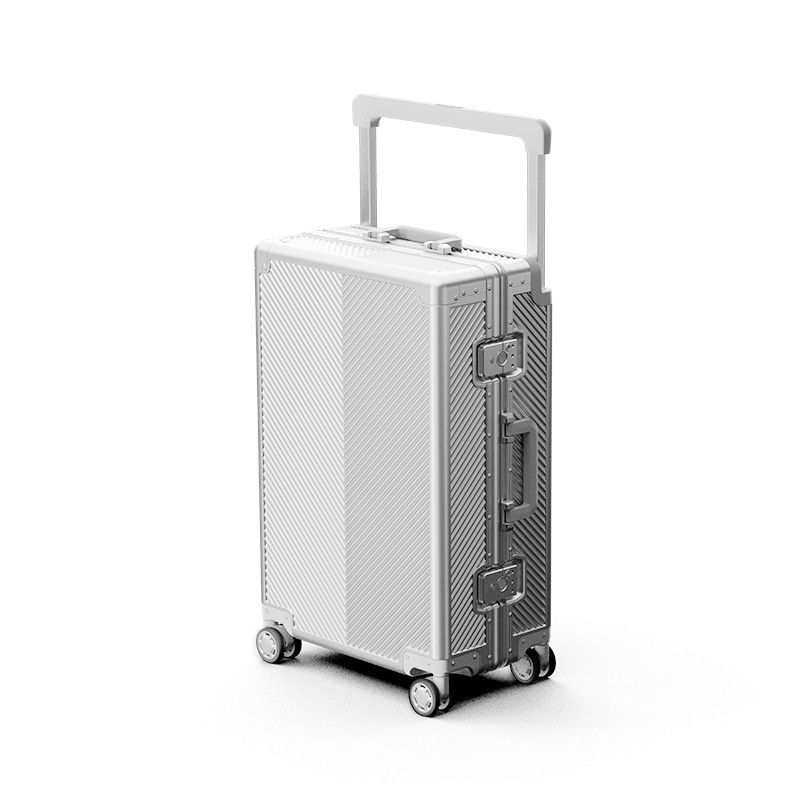 Material Quality and Product Durability Suitcases and bags are expected to endure rough handling, frequent travel, and environmental stress. Assessing the materials and durability of products is essential to avoid returns and complaints from end customers. Key aspects to review:
- Fabric type: PC, ABS, PP, Oxford cloth, leather, or composite materials. Each has different durability, weight, and water-resistance properties.
- Hardware: Zippers, handles, wheels, and locks should be tested for reliability.
- Performance testing: Consider scratch resistance, waterproof testing, weight capacity, and overall sturdiness.
- Compliance: Products intended for specific markets may need to meet EU, US, or Middle East import regulations, including fire retardancy, chemical restrictions, or labeling requirements.
Requesting samples and material test reports is highly recommended before committing to large orders. Transparent Pricing and Additional Costs A common mistake among new importers is overlooking hidden costs. Always request a detailed quotation from suppliers, including all potential charges.Key elements to check:
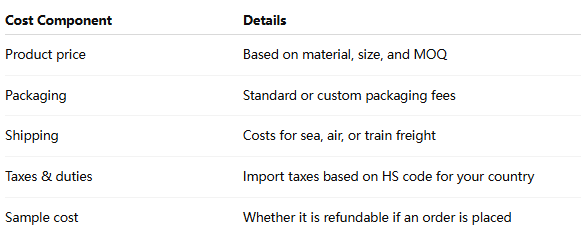
Having a clear breakdown helps importers calculate actual profit margins and avoid budget surprises. Shipping, HS Codes, and Compliance International shipments require accurate documentation and compliance with customs regulations. Ask your supplier to provide:
- HS codes for proper customs classification
- Guidance on packaging regulations and documentation
- Experience with shipping to your specific country
- Recommendations for minimizing delays and avoiding penalties
Clear communication about shipping responsibilities and regulations can prevent unnecessary delays or fines. After-Sales Support and Warranty Even with careful sourcing, issues can arise during or after shipment. Reliable suppliers offer after-sales support and clear policies on warranty and defective products. Points to consider:
- Warranty coverage and duration
- Procedures for handling defective products
- Availability of spare parts
- Terms for replacements or returns
Importers who clarify these terms in advance reduce risk and strengthen long-term supplier relationships.
Why Working with a Factory-Owned Supplier Matters Partnering with a supplier that owns its factory provides several advantages:
- Consistency in quality: Direct oversight of production reduces variability and defects.
- Customization flexibility: Factory-owned suppliers can adapt designs, materials, and branding to your specifications.
- Controlled production timelines: Lead times are more predictable when production is managed in-house.
- Enhanced quality control: Direct QC inspections are easier to implement, reducing the likelihood of problems at scale.
Suppliers with their own factory and established supply chain in China can provide comprehensive OEM/ODM solutions, making the sourcing process smoother and more reliable.
Conclusion
Ordering Chinese factories' luggage and bags requires careful evaluation of factory verification, material quality, OEM/ODM capability, pricing transparency, shipping and compliance, and after-sales support. Taking the time to review these factors can help international buyers avoid costly mistakes and build reliable, long-term partnerships.
When sourcing for wholesale OEM luggage, prioritizing suppliers who own their factory and have experience in the Chinese luggage supply chain provides greater control, flexibility, and assurance of quality. Always start with samples, verify compliance, and clarify terms before scaling your orders.


